

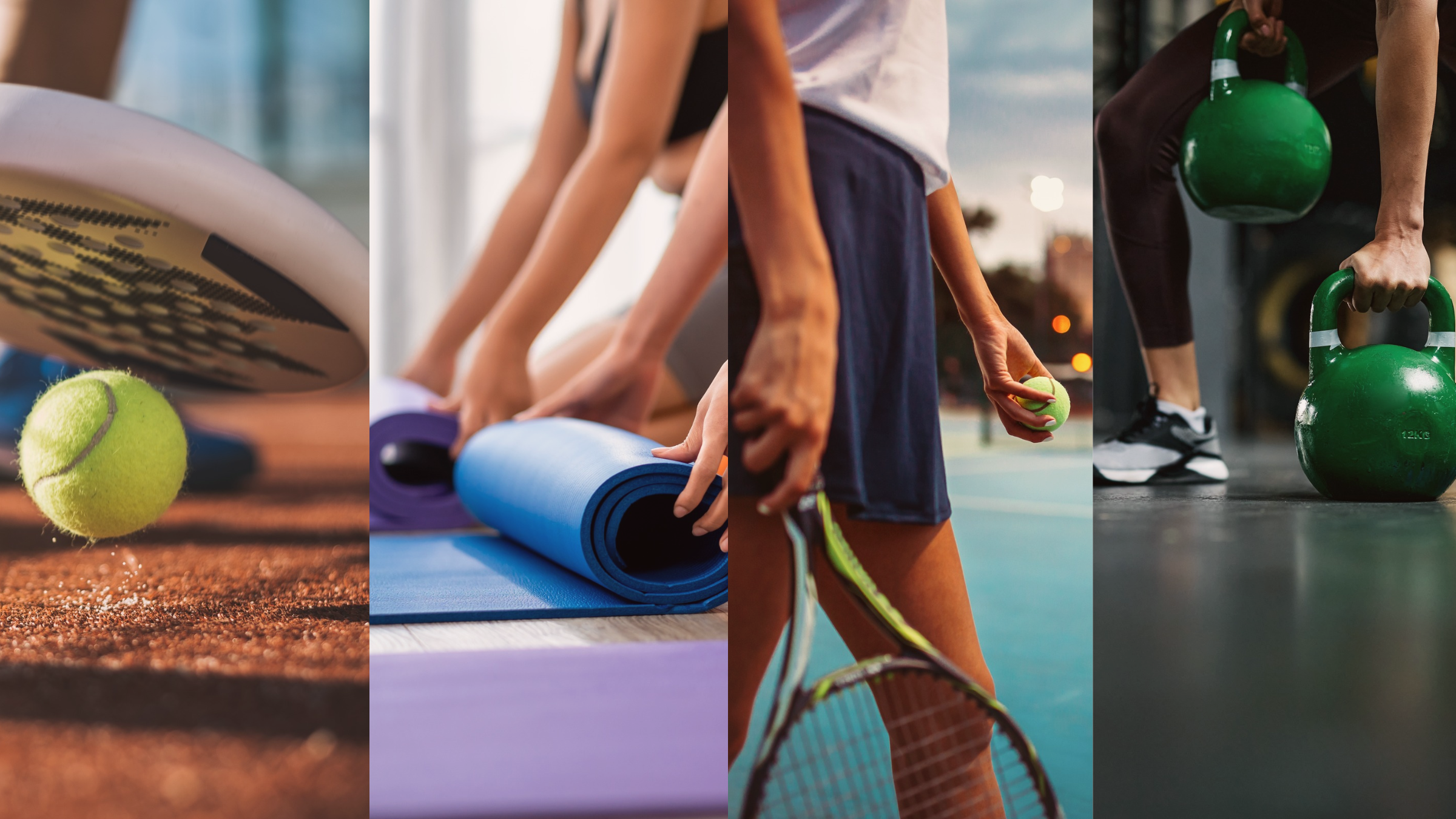
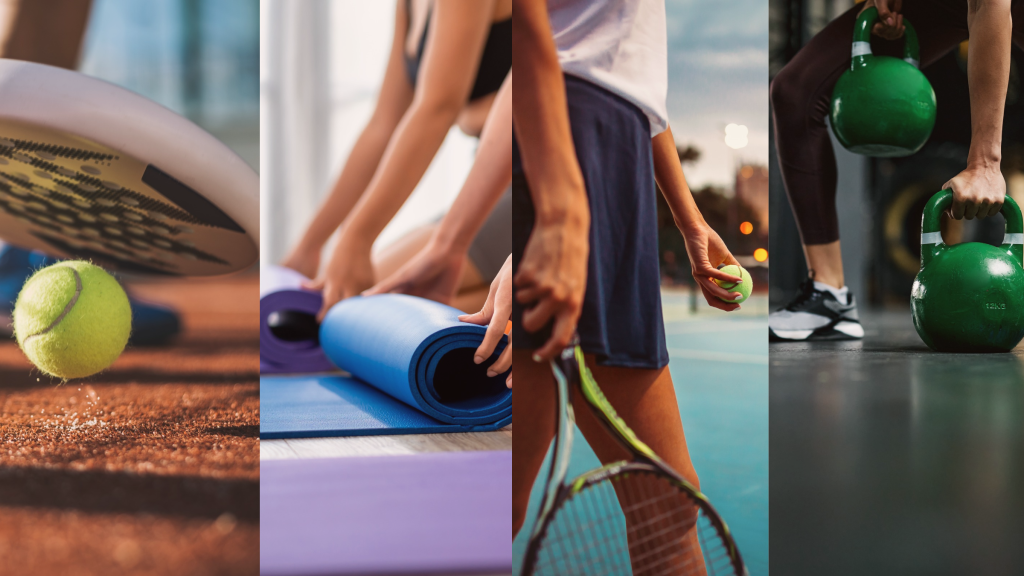
Fitness culture is influencing more than how people exercise—it is also shaping modern fashion. From Pilates-inspired activewear and HYROX training apparel to the growing popularity of padel and tennis, sports trends are creating new opportunities for fashion brands to develop clothing collections that combine functionality, comfort, and style.
1. Understand the Trend and Target Market
Successful product development begins with understanding the target audience. Pilates enthusiasts may prefer minimalist, versatile activewear, while HYROX participants may prioritize functional training apparel. Padel and tennis-inspired collections, meanwhile, often combine athletic performance with a polished, fashionable appearance. Identifying these preferences helps brands develop products that align with market demand.
2. Focus on Design, Comfort, and Functionality
Sportswear must balance appearance with practical performance. Fit, freedom of movement, breathability, and durability are important considerations when developing a collection. Depending on the intended use, brands should also consider features such as stretch, moisture management, and ease of care to ensure that garments meet consumer expectations.
3. Select the Right Fabric and Materials
Fabric selection plays a significant role in the quality and functionality of sportswear. Material composition, weight, construction, and finishing can influence comfort, flexibility, appearance, and durability. The right choice depends on the garment design, performance requirements, target market, and price positioning. Evaluating fabric samples before bulk production helps brands confirm that materials meet their specifications.
4. Turn Ideas Into Production-Ready Products
Once the concept and materials are established, the next steps include sampling, fit evaluation, quality checks, and production planning. Clear specifications and effective coordination between design, textile, and garment teams help maintain consistency from the initial sample to bulk production. Early quality checks can also identify potential issues before they affect larger production quantities.
5. Build a Reliable Manufacturing Partnership
Bringing a sports-inspired collection to market requires a manufacturing partner that understands product requirements, material characteristics, production processes, and quality expectations. Consistent communication and careful quality control are essential for turning creative concepts into garments that are ready for the market.
As fitness culture continues to influence fashion, brands have opportunities to develop collections that reflect changing consumer preferences while maintaining product quality and consistency. With experience in garment and textile manufacturing, PT Sansan Saudaratex Jaya supports apparel production for diverse market needs, where careful material selection, production coordination, and quality management help transform product concepts into finished garments.