


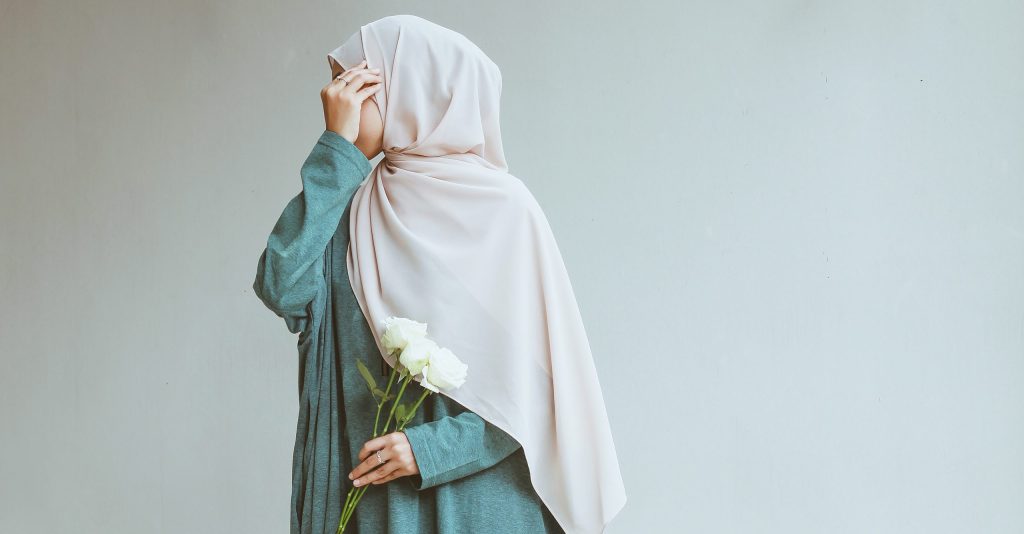
Choosing the right hijab fabric involves more than appearance. Comfort, breathability, opacity, drape, and durability all influence the quality and performance of the final product. For fashion brands and apparel manufacturers, understanding these factors helps create hijabs that meet customer expectations and suit different markets.
1. Prioritize Comfort and Breathability
For everyday wear, especially in warm and humid climates, lightweight and breathable fabrics can improve comfort. Cotton is often valued for its soft feel and moisture absorption, while polyester-based fabrics offer versatility and may provide good shape retention. The ideal choice depends on fabric construction, finishing, and intended use.
2. Consider Opacity and Fabric Drape
A suitable hijab fabric should provide adequate coverage while maintaining an attractive drape. These qualities depend on fiber composition, fabric density, weight, and finishing. Evaluating samples helps determine whether a fabric meets the desired balance of coverage, appearance, and comfort.
3. Evaluate Durability and Color Fastness
Quality hijab fabric should maintain its appearance through regular use and appropriate care. Important factors include resistance to pilling, dimensional stability, seam performance, and color fastness—the ability to resist fading or color transfer. Appropriate testing helps identify potential issues before production.
4. Understand Different Fabric Options
Cotton, polyester, cotton-polyester blends, and lightweight woven fabrics each offer different characteristics. Cotton can provide a comfortable feel, polyester offers versatility and wrinkle resistance, while blended fabrics may balance the properties of both fibers. Lightweight woven fabrics may also be suitable when their softness, opacity, and drape meet product requirements. The best option depends on the design, target market, climate, and price positioning.
5. Check Fabric Quality Before Bulk Production
Before bulk production, fabric should be evaluated for visible defects, color consistency, shrinkage, color fastness, softness, and overall appearance. The specific tests depend on the material, buyer requirements, and intended use. Early evaluation helps reduce quality risks and maintain consistency across production batches.
6. Choose the Right Textile Manufacturing Partner
A reliable textile manufacturing partner should understand fabric specifications, color requirements, finishing processes, and quality standards. Clear communication and coordination between textile and garment teams help ensure that selected materials meet product expectations, from initial sampling to finished garments.
Selecting the right hijab fabric requires balancing comfort, appearance, durability, and cost. These considerations are equally important in broader garment and textile manufacturing, where material selection and quality control contribute to consistent product results. At PT Sansan Saudaratex Jaya, attention to fabric characteristics and production requirements supports the development of apparel for diverse market needs, making material quality an important consideration from the earliest stages of product development.