

Color plays an important role in fashion, influencing the appearance, mood, and overall identity of a clothing collection. Understanding color theory helps fashion brands and designers create harmonious combinations, select suitable fabrics, and develop collections that appeal to their target markets.
1. Understanding Basic Color Combinations
The color wheel is a useful tool for understanding how colors work together. Complementary colors, such as blue and orange, create contrast, while analogous colors, such as blue and green, offer a harmonious look. Monochromatic palettes use different shades of a single color for a coordinated appearance, while triadic combinations introduce variety through three evenly spaced colors.
2. Choosing Colors for Different Fashion Collections
Color selection should reflect the collection’s purpose, target audience, and design direction. Neutral colors such as black, beige, navy, and grey offer versatility for everyday apparel, while brighter shades can add character and visual interest. For modest fashion and hijab collections, coordinated color palettes can also help create versatile combinations across different garments.
3. Understanding Warm, Cool, and Neutral Colors
Warm colors, including red, orange, and yellow, often convey energy and vibrancy. Cool colors, such as blue, green, and violet, can create a calm or refined appearance. Neutral colors, including white, black, grey, and beige, provide a versatile foundation for many clothing styles. Combining these categories thoughtfully helps establish a balanced and consistent collection.
4. Considering Fabric Type and Color Consistency
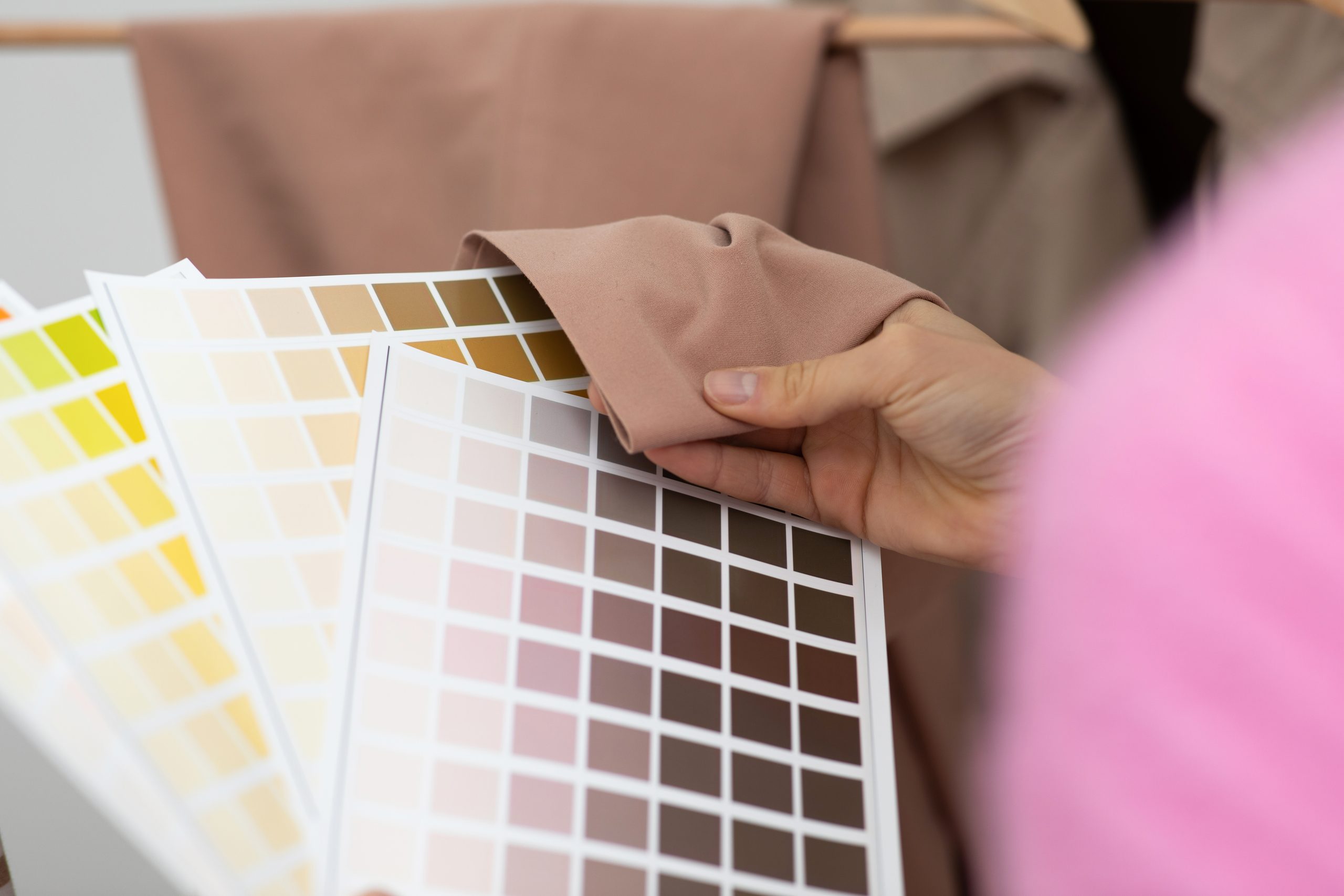
The same color can appear differently depending on fabric composition, texture, weave, and finishing. Lighting conditions can also influence color perception, making it important to evaluate colors on actual fabric samples before production. In textile and garment manufacturing, maintaining color consistency requires clear color references, sample approval, and appropriate quality checks. Evaluating shade variations and color fastness helps ensure that finished garments meet the required specifications.
5. Creating a Balanced Fashion Color Palette
A well-planned color palette begins with a clear design direction, followed by the selection of foundation colors and complementary accent shades. Fashion brands should assess how colors work across the entire collection, consider their compatibility with the selected fabrics, and confirm color standards before bulk production. By combining creative color planning with careful fabric evaluation and quality control, brands can develop clothing collections that are visually cohesive and consistent with their product requirements. At PT Sansan Saudaratex Jaya, understanding fabric characteristics and production requirements is an important part of supporting garment and textile manufacturing for diverse apparel needs. From material considerations to production quality, careful attention to these details helps bridge the gap between design concepts and finished garments.